Resources

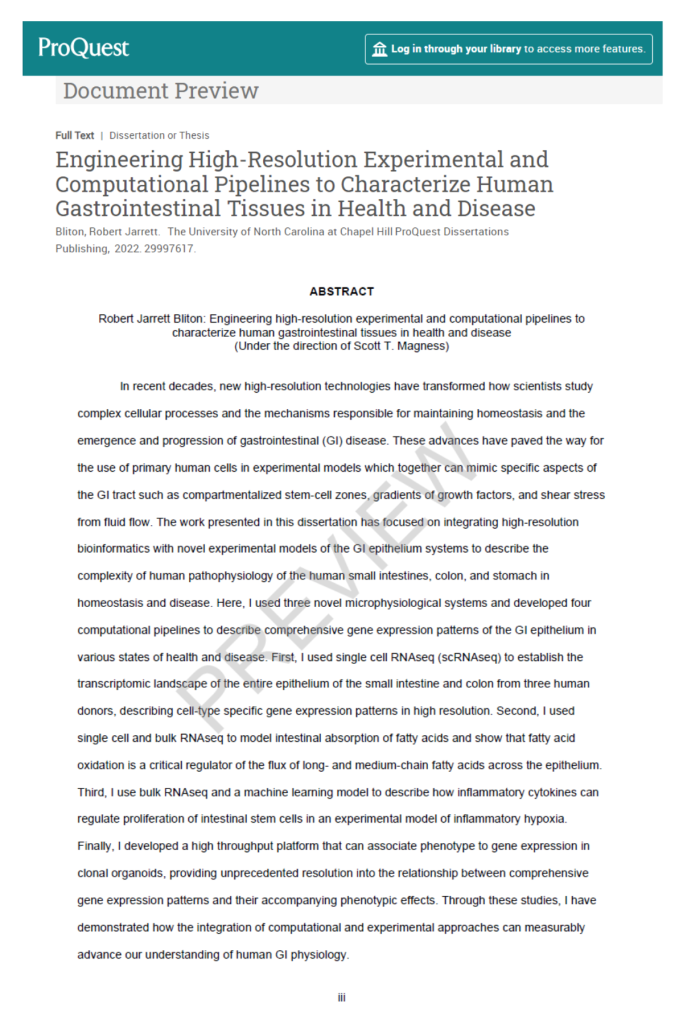
Publication: Engineering High-Resolution Experimental and Computational Pipelines to Characterize Human Gastrointestinal Tissues in Health and Disease

The development of new high-resolution technologies such as RNAseq methods has increased our understanding of human gastrointestinal (GI) physiology and gastrointestinal (GI) disease progression. By using CellRaft Arrays, human intestinal stem cells (ISCs) can be measured for functional stemness and then isolated for high-resolution single cell and/or bulk RNAseq. The ISCs were exposed to various treatments, such as hypoxia, and seeded onto the CellRaft Arrays to quantify for organoid forming potential and subsequently isolated for colonal organoid RNA sequencing. The results gave further insights into the mechanisms involved in gastrointestinal development and treatments.

Related Resources

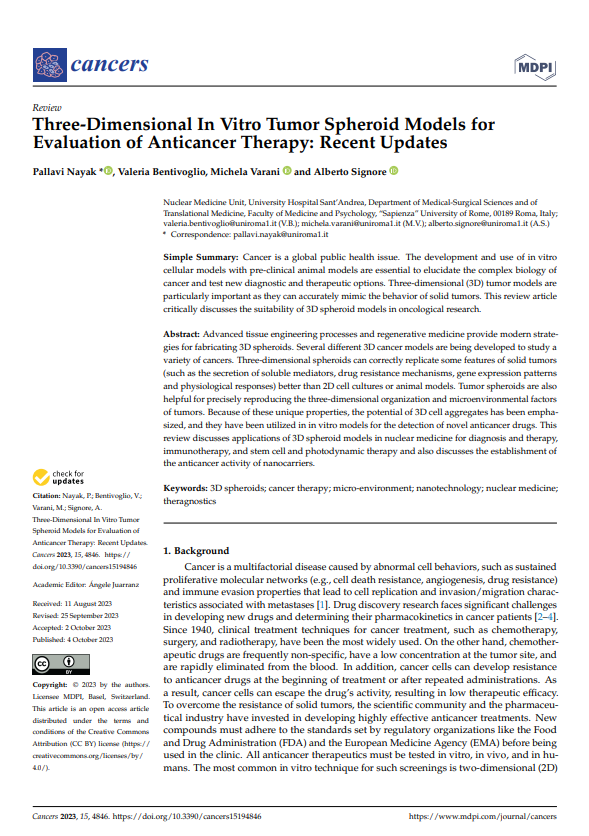
In this study the CERO 3D Incubator & Bioreactor was used for the generation of tumor spheroids from human colon cancer cell line HT29-MTX-E12. The...

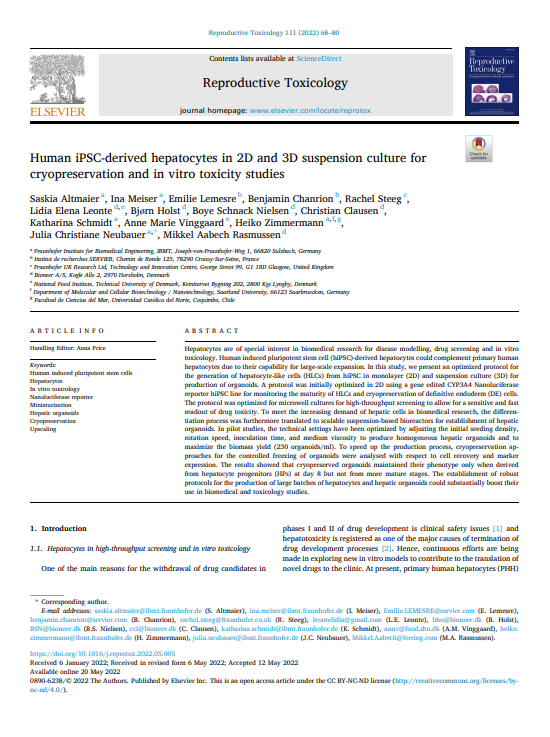
The paper discusses the use of induced pluripotent stem cells (iPSCs) in various biomedical applications, specifically for toxicity testing. The authors describe their strategies for...

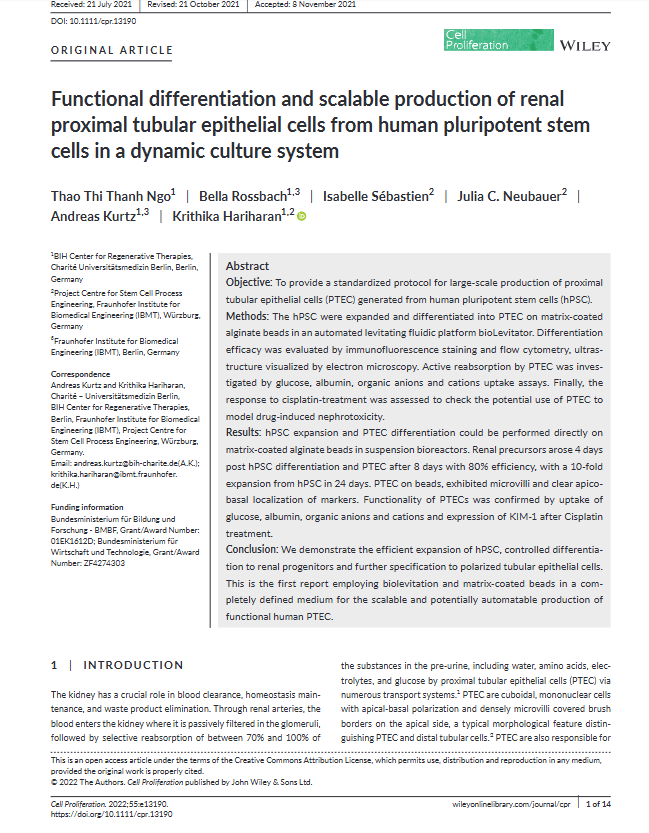
The paper presents a protocol for the large-scale production of renal proximal tubular epithelial cells (PTEC) derived from human pluripotent stem cells (hPSC). The researchers...