Resources

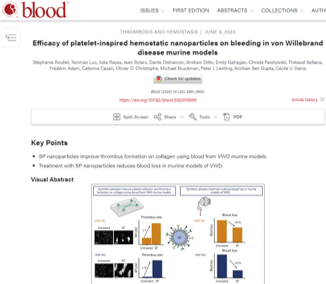
Publication: Efficacy of platelet-inspired hemostatic nanoparticles on bleeding in von Willebrand disease murine models

The treatment of von Willebrand disease (VWD) has remained basically unchanged for the past 30 years. However, these different approaches do not consider the heterogeneity of VWD and so far, no type or subtype-specific treatment option has been developed. In this study, a BioFlux shear flow system was used to assess platelet aggregation and thrombus formation. With the help of a BioFlux, the investigators were able to determine that synthetic platelet nanoparticles were effective at enhancing clotting in mice with VWD.

Related Resources

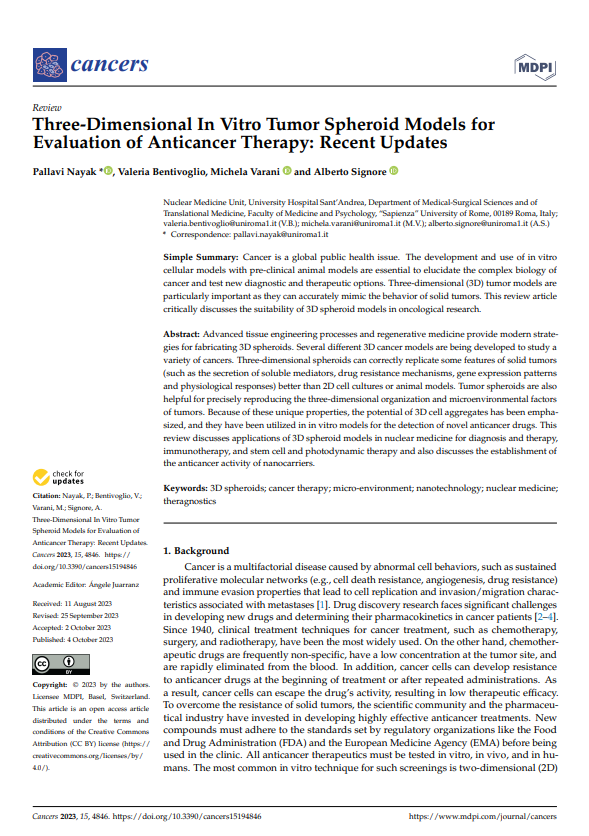
In this study the CERO 3D Incubator & Bioreactor was used for the generation of tumor spheroids from human colon cancer cell line HT29-MTX-E12. The...

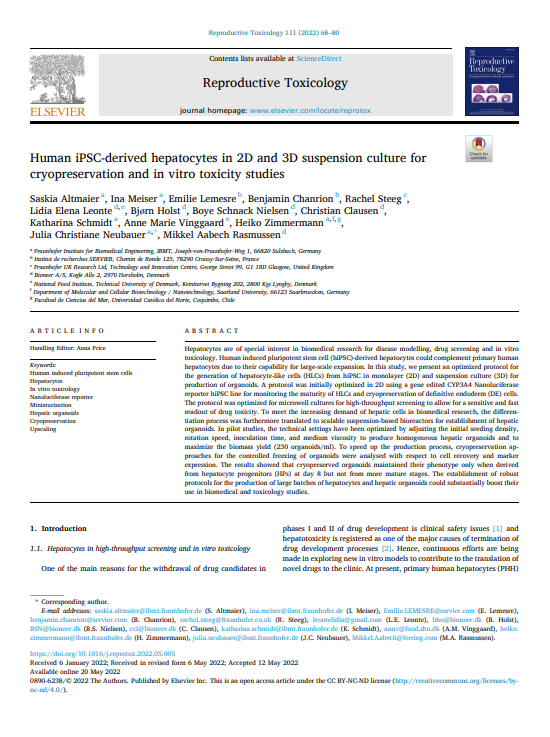
The paper discusses the use of induced pluripotent stem cells (iPSCs) in various biomedical applications, specifically for toxicity testing. The authors describe their strategies for...

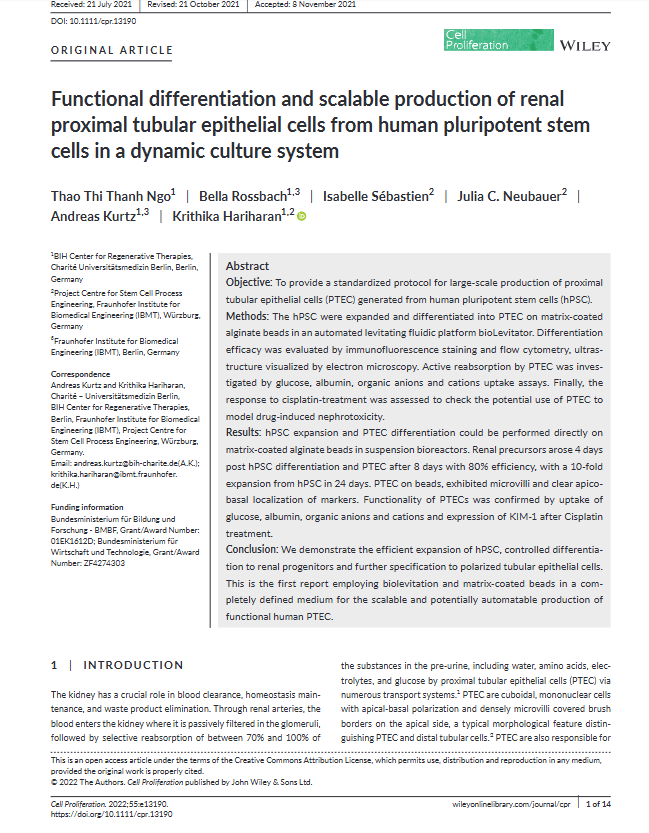
The paper presents a protocol for the large-scale production of renal proximal tubular epithelial cells (PTEC) derived from human pluripotent stem cells (hPSC). The researchers...